
5 Mistakes Home Growers Usually Make When Drying Flower Buds
By
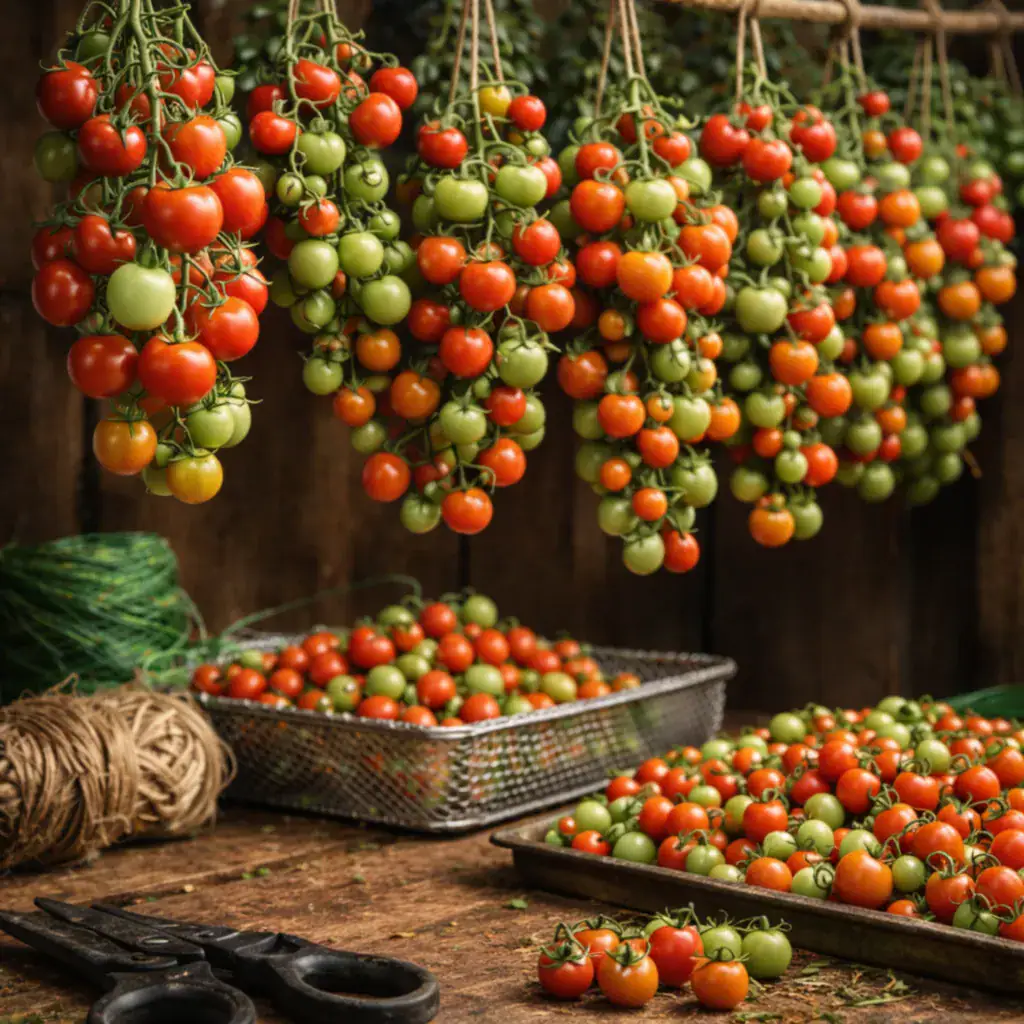
Cherry tomatoes hanging and in baskets, fresh produce at a farm stand.

Drying is one of the most critical—and most misunderstood—stages in post-harvest processing.
For home growers, small mistakes during drying can permanently impact aroma, flavor, structure, and overall quality.

Even when cultivation is done well, improper drying can lead to inconsistent moisture content, terpene loss, harsh sensory characteristics, and reduced shelf stability.

Below are the five most common mistakes home growers make when drying flower buds, along with research-backed guidance on how to avoid them.

Mistake #1: Drying Too Fast

One of the most frequent errors is rushing the drying process.

Why It’s a Problem

  • Rapid moisture loss traps chlorophyll and other undesirable compounds
  • Terpenes volatilize more quickly at higher temperatures
  • Buds may feel dry on the outside while remaining wet internally

Research shows that slow, controlled drying significantly improves chemical stability and sensory quality of harvested flowers (Bernstein et al., 2019).

Best Practice

  • Maintain moderate temperatures (16–20°C / 60–68°F)
  • Avoid direct airflow or heat sources
  • Allow moisture to migrate gradually from the interior to the surface

Mistake #2: Inconsistent Humidity Control

Humidity swings during drying create uneven results between and within batches.

Why It’s a Problem

  • High humidity increases the risk of microbial growth
  • Low humidity causes overdrying and terpene loss
  • Fluctuations lead to uneven moisture distribution

According to the American Herbal Pharmacopoeia, uniform moisture reduction is essential for post-harvest flower quality control.

Best Practice

  • Target relative humidity of 55–60% during drying
  • Use calibrated hygrometers
  • Avoid relying on ambient room conditions

Mistake #3: Poor Airflow Management

Airflow is necessary—but more is not better.

Why It’s a Problem

  • Strong airflow causes surface overdrying
  • Uneven airflow creates moisture gradients
  • Direct fans strip aromatic compounds from the flower surface

Uneven moisture migration is a major contributor to inconsistent final quality (Bernstein et al., 2019).

Best Practice

  • Use gentle, indirect airflow
  • Ensure consistent spacing between hanging branches or racks
  • Avoid fans blowing directly on flower buds

Mistake #4: Overcrowding During Drying

Many home growers attempt to dry too much material in too little space.

Why It’s a Problem

  • Restricted airflow slows internal moisture release
  • Buds deform due to contact pressure
  • Drying times become unpredictable

Studies on post-harvest handling of flower inflorescences show that loading density directly affects drying uniformity (Brikenstein et al., 2024).

Best Practice

  • Maintain consistent spacing between flowers
  • Avoid buds touching each other
  • Use repeatable hanging or rack configurations

Mistake #5: Judging Dryness by Feel Alone

Relying on touch, stem snap tests, or visual cues introduces significant variability.

Why It’s a Problem

  • Surface dryness does not reflect internal moisture
  • Human perception varies widely
  • Inconsistent decisions lead to batch-to-batch differences

Pharmaceutical-grade botanical standards emphasize process repeatability over subjective judgment (American Herbal Pharmacopoeia, 2014).

Best Practice

  • Use objective indicators such as humidity stabilization
  • Track drying time and environmental conditions
  • Transition to curing only when moisture levels are consistent

References

Bernstein, N., Gorelick, J., Zerahia, R. (2019).
Impact of drying and curing conditions on harvested flower quality.
Frontiers in Plant Science, 10:1136.
https://www.frontiersin.org/articles/10.3389/fpls.2019.01136

Brikenstein, N., Bernstein, N., et al. (2024).
Optimization of post-harvest processing techniques for plant inflorescences.
Plants, 13(6), 889.
https://doi.org/10.3390/plants13060889

American Herbal Pharmacopoeia. (2014).
Flower Inflorescence: Standards of Identity, Analysis, and Quality Control.

Leave a Reply

What did you take away?

Share a question or your experience with the community.

Your email address will not be published. Required fields are marked *